- Home
- City center
City center

Presentation on Downtown Môle-Saint-Nicolas
1. Introduction
Môle-Saint-Nicolas is a commune in the Northwest Department of Haiti. It holds significant historical, geographical, and touristic importance. Located on the coast, the town boasts a rich historical heritage and strong tourism potential.
2. Founding and History of the Town
Christopher Columbus arrived in the Môle-Saint-Nicolas region on December 6, 1492, during his first voyage to America. The French colonial town of Môle-Saint-Nicolas was subsequently founded in 1764. Its strategic location, natural bay, and proximity to maritime routes gave it great military and commercial importance.

3. Historical Forts
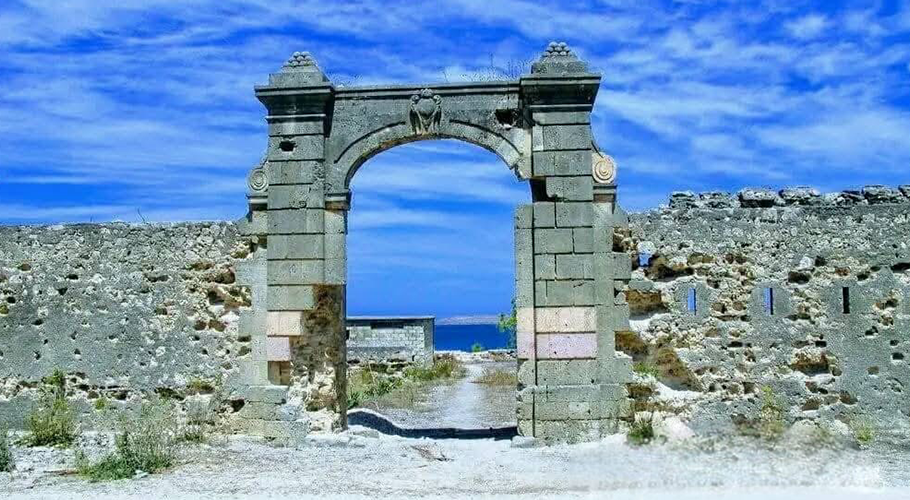
Môle-Saint-Nicolas possesses several old fortifications that attest to its military importance during the colonial period. Among the main historical fortifications are: Grâce Battery, Vallière Battery, Fort Georges, Old Quarter Fortification, The Powder Magazine, Ralliement Battery, and Morne-à-Cabris Battery. These remains represent an important part of the town’s historical heritage.
4. Beaches and Tourism Potential
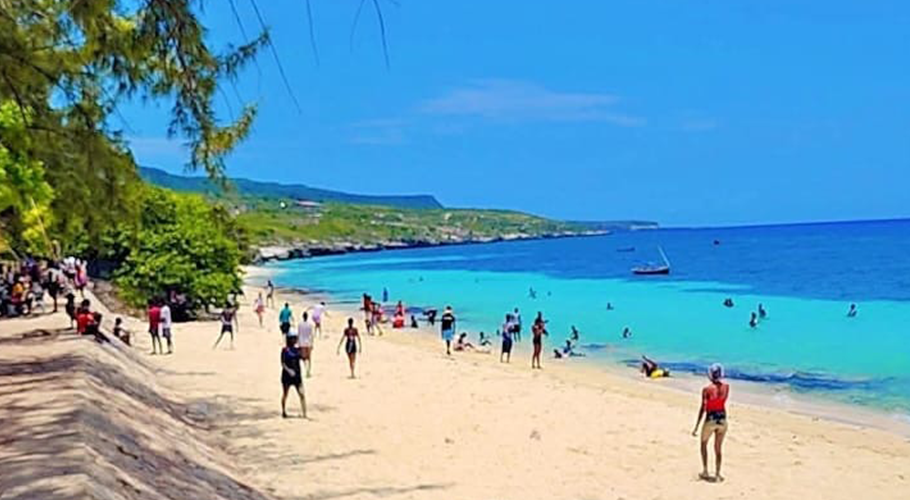
Môle-Saint-Nicolas boasts magnificent coastal areas and beaches that constitute one of its main natural assets. The region also offers: Môle-Saint-Nicolas Bay; Waters suitable for water sports; Coral reefs and marine biodiversity; Natural landscapes; Historical sites; and Opportunities to develop ecotourism and cultural tourism. With good infrastructure, these resources could attract more visitors and create economic opportunities for the local population.
5. Schools
According to available data for the municipality, there are 44 primary schools, including 13 public/national schools. There are also secondary schools and vocational training centers. For the city center, available data lists approximately 13 primary schools.
Beaches: Reziyen, Mathurin Beach, LannFrans, DesForts.
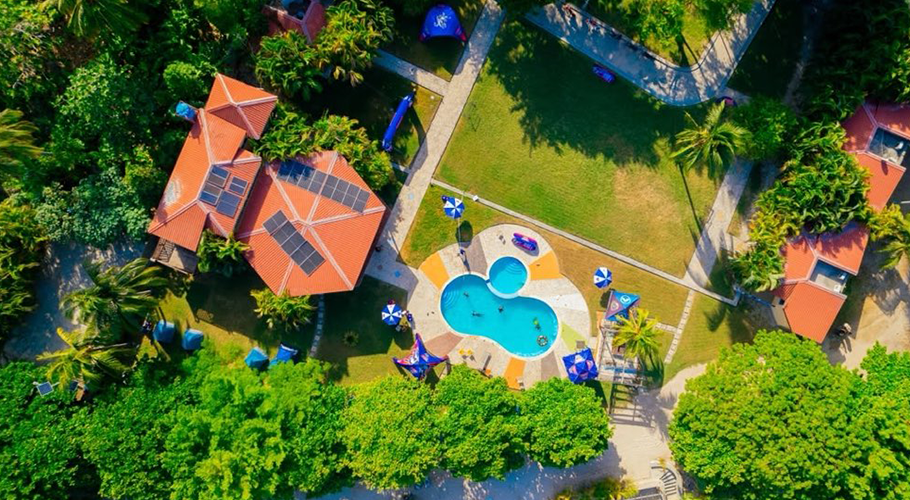
Hotels: Columbus Resort, Beau Rivage, Yolla Massa Hotel, Père Micho, Bienvenue Hotel, Hotel Bleu.
6. What is the population's livelihood?
The local economy is based primarily on several activities:
Fishing: The sea plays a vital role in the economic life of many families. Fishermen use marine resources for their food and income.
Agriculture: A portion of the population practices agriculture and produces various crops adapted to the region’s climate.
Livestock farming: Livestock farming, particularly goat farming, is also an important activity.
Commerce: Small businesses and the exchange of goods contribute to the economic life of the city center.
Services and tourism:The tourism sector remains underdeveloped, but it represents a great opportunity for the future, particularly thanks to its beaches, the sea, and its historical heritage.
7. The Potential of Môle-Saint-Nicolas
Môle-Saint-Nicolas possesses several assets that could foster its development: Historical heritage + sea + beaches + fishing + agriculture + youth + tourism.
If these resources are properly utilized, the town could further develop: Seaside tourism; Ecotourism; Water sports; Professional fishing; Restaurants and hotels; Local crafts; Vocational training for young people.
Conclusion
Môle-Saint-Nicolas is not just a historical town. It is a town with an identity, a heritage, maritime resources, and considerable economic potential. Its development should therefore be based on the protection of its heritage, the enhancement of its beaches and marine resources, the education and training of young people, and the creation of sustainable economic activities.
“Môle-Saint-Nicolas: an exceptional historical heritage, incomparable natural wealth, and immense potential for the future.”
Current Mayor: Aretus Penel!